Black Lung Benefits and the Forgotten Federal Programs That Still Keep America Running
Most Americans think of the federal government in broad strokes. Social Security. Medicare. The military.
What they don’t see is a whole layer underneath. Programs built for specific jobs. Specific industries. The kind of work that built this country but never fit into a one size fits all system.
Railroad workers have their own retirement (separate from Social Security) and unemployment system. Dock workers fall under a federal compensation program most people couldn’t name. Nuclear workers from the Cold War can still receive compensation today for illnesses tied to radiation exposure decades later.
Even commercial fishermen can be reimbursed by the federal government if offshore infrastructure destroys their gear.
These programs exist for one reason. The job demanded it.
And no job demanded it more than coal.
Black Lung Benefits and the Fight to Be Heard
Coal powered America’s rise. It fueled factories, forged steel, and carried this country through war and industrial growth. But for the men underground, the cost followed them home.
They called it miner’s asthma. A quiet name for something that slowly took a man’s breath, then his strength, then his life.
By the 1960s, coal communities across Appalachia knew the truth. Black lung disease was everywhere.
What changed wasn’t just the science. It was the pressure.
The United Mine Workers of America forced the issue into the open. Miners organized. Families spoke out. Strikes spread across coalfields demanding recognition, safety, and accountability.
Then came the Farmington Mine Disaster. Seventy eight miners were killed. The nation finally paid attention.
In 1969, Congress passed the Federal Coal Mine Health and Safety Act of 1969. For the first time, black lung disease was formally recognized, and the Black Lung Benefits Program was created.
That didn’t happen because Washington decided to act. It happened because miners and the UMWA made it impossible to ignore.
Why Black Lung Benefits Still Matter
Black lung didn’t go away.
In parts of Central Appalachia, cases have increased again in recent years. The work changed. Thinner seams. More cutting through rock. Finer dust. More damage.
The Black Lung Benefits Program still provides monthly payments and medical care to miners who can no longer work because of what the job took from them. It also supports their families.
This is not a handout.
It is the country recognizing a cost that was always part of the job.
Coal, Covid, and National Defense
For a while, we got comfortable thinking we could outsource anything.
Then Covid hit.
Supply chains broke. Basic materials became hard to find. The idea that everything could be made somewhere else started to fall apart in real time.
Coal sits right in the middle of that lesson.
Metallurgical coal is still a key ingredient in making steel. Steel builds ships, aircraft, armored vehicles, and the infrastructure behind them. You cannot have a military without steel, and you cannot have steel without reliable inputs.
That means domestic coal production is not just about energy. It is about national security.
If we learned anything during Covid, it is this. When you need something, you better be able to produce it at home.
What We Used to Understand
There was a time when this country didn’t pretend every job was the same.
We built systems around industries. Around risks. Around reality.
Railroad workers got their own system. Nuclear workers were compensated decades later. Farmers had programs built around how agriculture actually works.
And coal miners got Black Lung Benefits because the nation finally admitted something simple.
If the country needs the work, the country shares the cost.
That idea built America.
We would be wise to remember it.
Be curious, not judgmental.
Till next time, that’s the story from the ‘Back Forty’. — John W. Peace II
Magazines Interested in republishing this article? Contact the author at [email protected] for permission and details. Readers, feel free to share!

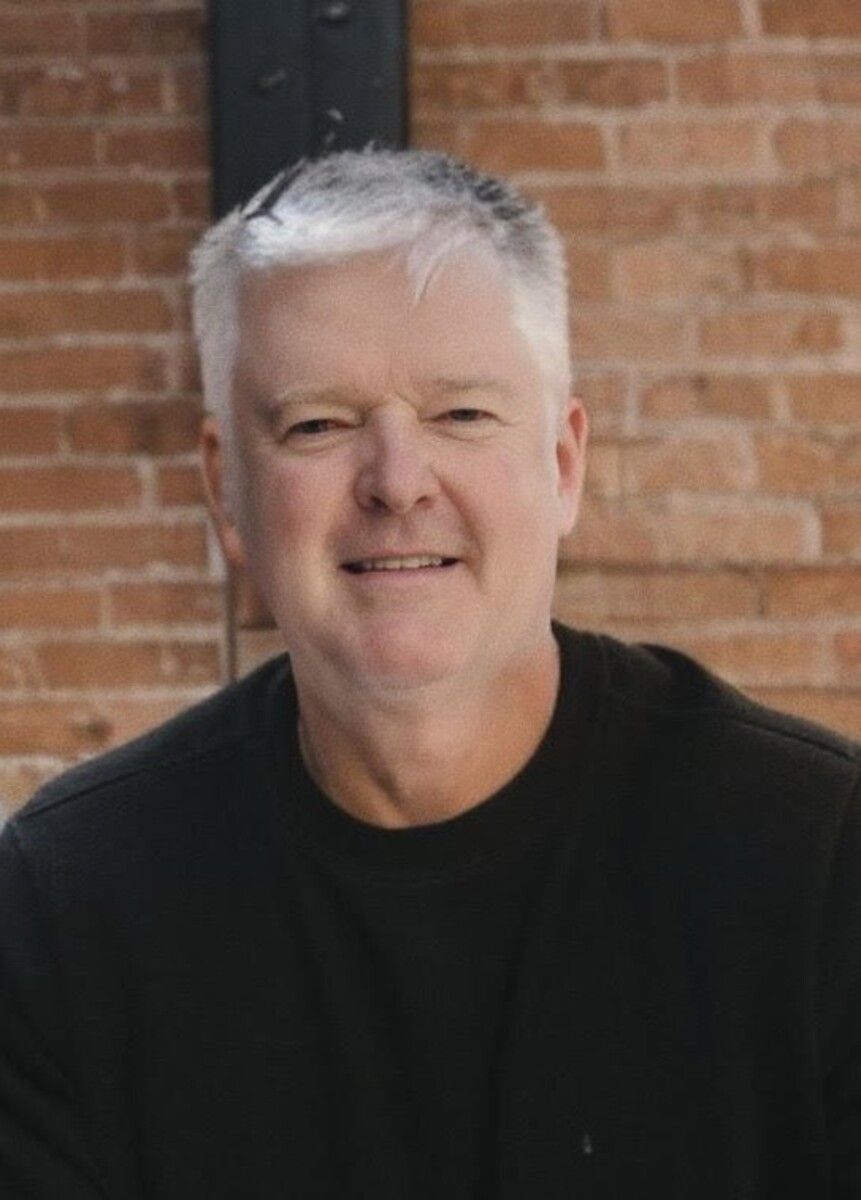
John W. Peace II is a fifth-generation farmer from Big Stone Gap, Virginia, where he grew up on his family’s dairy, Clinch Haven Farms, and still lives today. He’s a proud father to Trey and Shelby Peace, and partner in life to Cathy Swinney. A Virginia Tech graduate with graduate studies at Penn State, he served as the youngest Chair of the Wise County Board of Supervisors (2004–2008). John co-owns urTOPIX LLC (urTopixLLC.com), a Democratic campaign training firm focused on reaching rural voters that is sponsored by www.RuralAmericaRising.com PAC. He’s also a two-time Amazon bestselling author. Learn more at www.JohnWPeace.com.
Contact: https://linktr.ee/JohnWPeace
